

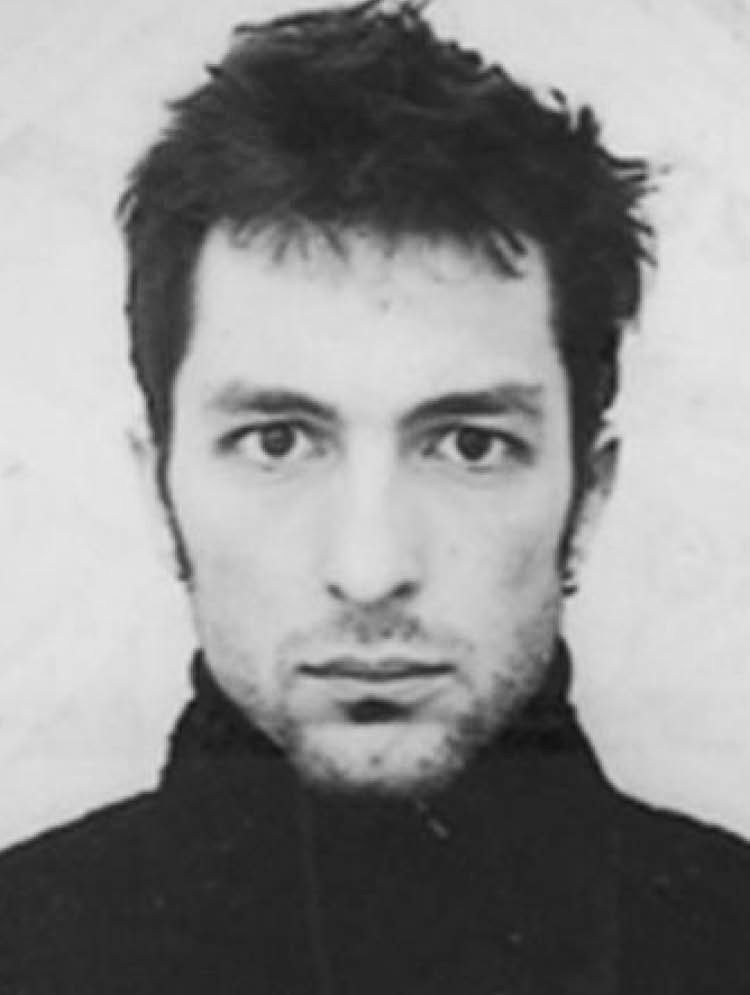
Photo de Tancrède Ramonet

Tancrède Ramonet

Tan­crède Ramon­et is an author and pro­duc­er of doc­u­men­taries and a singer in the group ACHAB. With Patrick Bar­béris, he co-wrote in 2006 the doc­u­men­tary “Les ombres du bagne” (52′),
broad­cast on Arte and France Ô. He is also co-author of the films “Au nom de la race et de la sci­ence”, Stras­bourg 1941–1944 by Sonia Rol­ley and Axel Ramon­et (pro­duc­tion “Temps noir” for France 3) and L 611–1 by Jean-Yves Cauchard.
Grad­u­at­ed in Phi­los­o­phy (Sor­bonne), in Eco­nom­ics (Paris-Dauphine), in Doc­u­men­tary Cre­ation (Havana) and in Inter­na­tion­al Pro­duc­tion (EURODOC), as a pro­duc­er, he found­ed with Mar­tin Lau­rent and Axel Ramon­et the inde­pen­dent pro­duc­tion com­pa­ny Temps noir with which he direct­ed the first two parts of “Ni Dieu ni maître”, une his­toire de l’a­n­ar­chisme (Nei­ther God nor Mas­ter, a his­to­ry of anar­chism) in 2016 as well as “Che Gue­vara, nais­sance d’un myth” in 2017. As a pro­duc­er, he pro­duces films around social, his­tor­i­cal, artis­tic and cul­tur­al issues, includ­ing “Afrique(s), une autre his­toire du XXe siè­cle” by Elikia M’Boko­lo, Philippe Sain­te­ny and Alain Fer­rari, “Cuba, une odyssée africaine” by Jihan El Tahri or “Cuba, La Révo­lu­tion et le Monde” that he co-pro­duced with Serge Gordey and Mar­tin Laurent.

FILMS SHOWN

Cinéma à la carte
Ni Dieu ni maître, une histoire de l’anarchisme — E02 : La mémoire des vaincus Tancrède Ramonet Episode 2 traces the rise of anarchism between 1911 and 1945, from the Mexican Revolution to the Spanish Revolution. Anarchists organize in revolutionary unions (CGT, IWW, CNT-FAI) and fight against capitalism, fascism and authoritarianism. The Spanish War marked their high point, followed by a brutal defeat.
Cinéma à la carte
Ni Dieu ni maître, une histoire de l’anarchisme — E01 : La volupté de la destruction Tancrède Ramonet This first part traces the origins of the anarchist movement around the world between 1840 and 1914, highlighting its founding figures and its central role in the social struggles of the 19th and early 20th centuries, notably through the Internationale, the May Day holiday, and the demand for the eight-hour day.
Cinéma à la carte
Ni Dieu ni maître, une histoire de l’anarchisme — E03 : Des fleurs et des pavés Tancrède Ramonet At the end of the Second World War, anarchism experienced a gigantic decline. But, little by little, in the heart of the Cold War, more and more revolutionaries turn to anarchism and contribute to give it a new echo.
Cinéma à la carte
Ni Dieu ni maître, une histoire de l’anarchisme — E04 : Les réseaux de la colère Tancrède Ramonet In the aftermath of the Cold War, where the imperial powers competed with violence, the main danger of anarchism was no longer to disappear. It was to become alienated. But, at the heart of the great social mobilizations, anarchism is always present, without always saying its name, and restarts for one turn at least the great wheel of our history.